

The Real Cost of Riverside's New Pre-K Plan
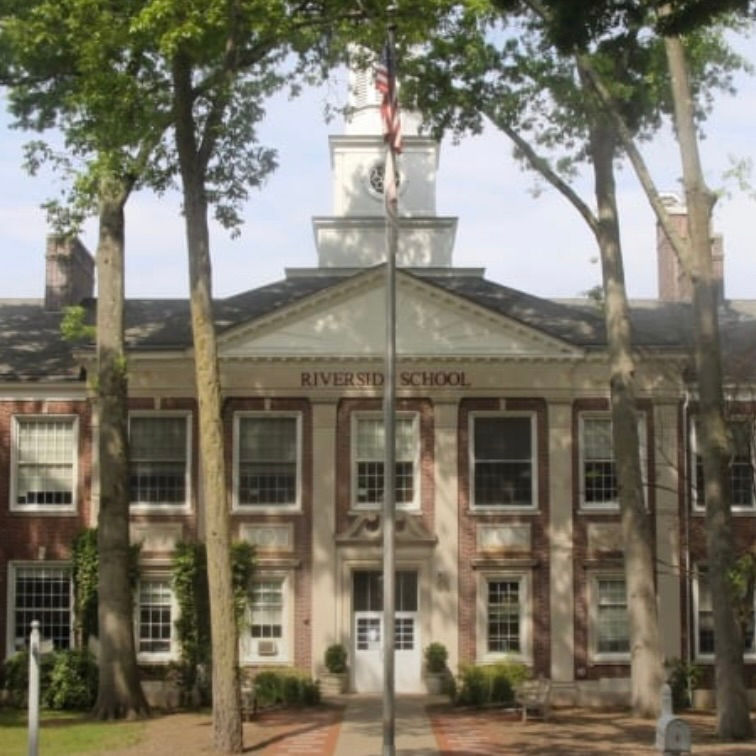
At the Board of Education meeting on Thursday, April 16, Superintendent Jones revealed a tempting financial carrot: adding two Pre-K classrooms to the Riverside School building project would trigger a 15-percentage-point bonus in state reimbursement for the entire renovation. On a $34 million project, that translates to roughly $5 million in "found" money.
But in Greenwich, "found" money usually comes with a long-term catch.
The Sudden About-Face
This wasn't the plan. As recently as February 2026, the board rejected Pre-K classrooms for this site, citing practical and community-driven concerns: significant traffic congestion on Hendrie Avenue, the state requirement for separate playgrounds and cafeterias, and the logistical headache of specialized busing.
Now, the calculus has suddenly changed. We are told these classrooms can be added at "no cost" and used as "swing space" if enrollment lags or the plan doesn't work as intended. It is a convenient pivot, but one that ignores the permanent operational costs that follow construction.
Pre-K: Mandated for Some, Subsidized by Others
Greenwich currently operates 17 preschool classrooms, mostly on the western side of town. This is not meant to provide Universal Pre-K. The district’s model is built on "peer modeling" for Special Education (SPED) students to meet state mandates. However, the actual makeup of these classes reveals a broader social experiment.
The slots are generally filled via a three-way split:
The Mandated: SPED students receiving required state services.
The Perk: Children of district staff who receive childcare at a highly discounted rate.
The Lottery: Community members who win a spot at a below-market rate.
This construct ensures the district meets its legal obligations, but it also functions as a taxpayer-funded benefit for staff and a handful of lucky lottery winners.
The Real Operating Costs to Taxpayers
The state bonus may make the capital cost of the building look attractive, but it does not make the operation free. Even after netting out the "found" money against the specialized pre-K infrastructure (e.g. playgrounds), the annual operating budget remains the primary concern.
This is, at its core, a Special Education program with a significant taxpayer subsidy for "typical" families. Unless those subsidies are removed, every new Pre-K classroom added to the district increases the permanent annual taxpayer bill. Each new room requires certified teachers and multiple paraprofessionals. When you factor in the subsidies, salaries, benefits, and long-term pension liabilities, that $5 million "bonus" simply doesn't cut it. It is a one-time payment for a perpetual expense.
Between the Lines: Instead of talking about "found money," the focus should be on the true cost and necessity of expanding these Special Ed-driven Pre-K classrooms. Once these rooms are built, the staff and the legacy costs follow—and those are costs that a one-time state construction grant will never cover, but your tax dollars will.